


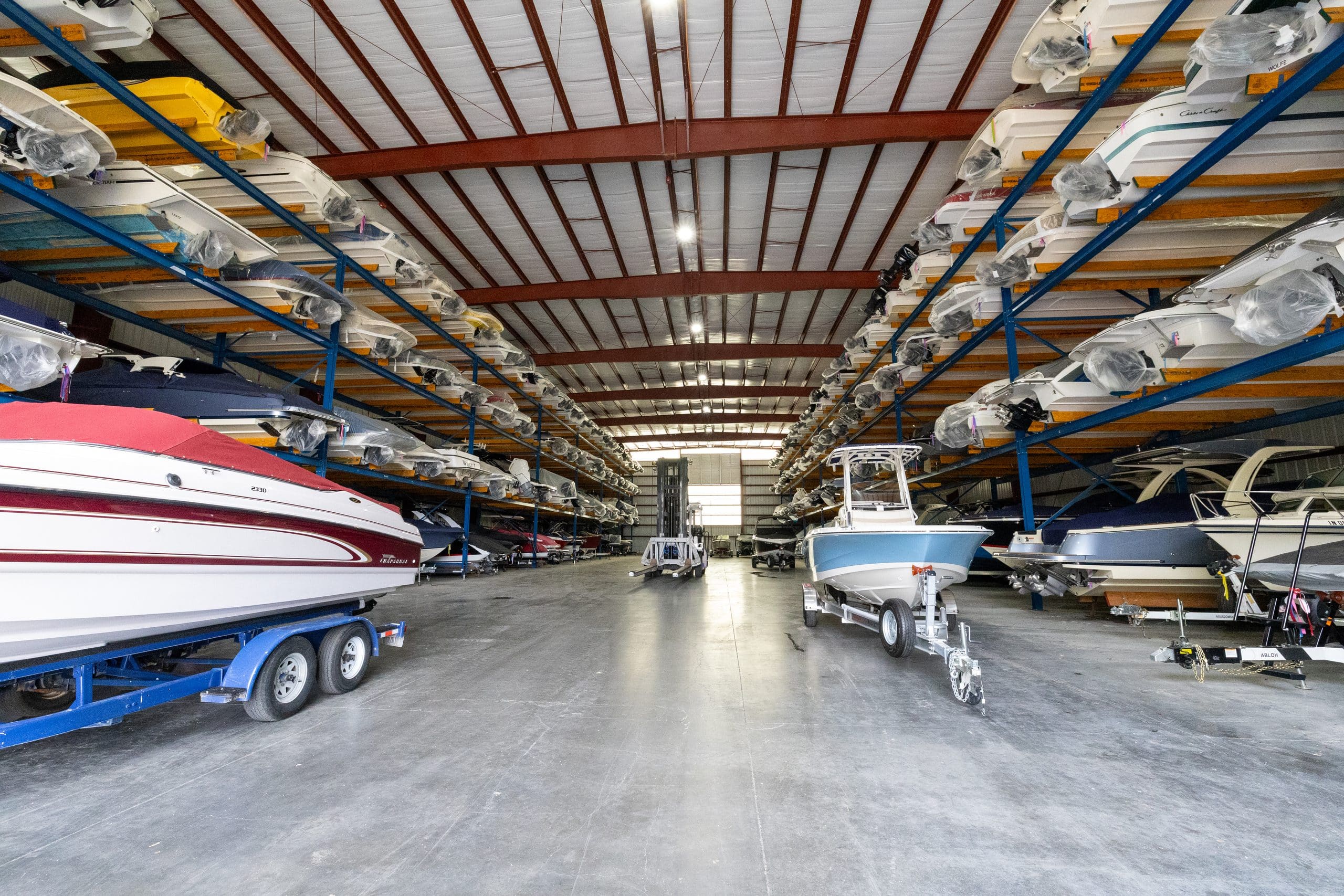
As summer winds down in Wisconsin, many boaters face the same question: Is it time to winterize, or can I enjoy one more weekend on the lake? While it’s tempting to make the most of those beautiful fall days, waiting too long to winterize your boat can lead to costly damage. The best time to winterize your boat is after your last outing of the season and before freezing temperatures arrive. There’s no exact date that works for everyone. Your boat, storage location and Wisconsin’s unpredictable fall weather all play a role.
Why Is Winterizing Your Boat Important?
Winterizing helps protect your boat from damage during Wisconsin’s cold winter months.
When water is left inside an engine, plumbing, ballast system or other components, it can freeze and expand, potentially causing cracks and expensive repairs.
Proper winterization also helps protect your boat’s fuel system, batteries and other components while it’s in storage.
Taking care of your boat in the fall can mean fewer surprises when you’re ready to get back on the water in spring.
How Do You Know When It’s Time to Winterize?
There are three things to consider:
-
- You’re Done Boating for the Season: If you’ve enjoyed your last boat ride of the year, it’s a good time to schedule winterization. There’s no need to wait until the weather turns cold.
- Freezing Temperatures Are Approaching: Wisconsin weather can change quickly. Keep an eye on overnight temperatures, especially in September and October. Even a brief freeze can put certain boat systems at risk.
- You’re Preparing Your Boat for Storage: Whether your boat is stored outside or indoors, proper preparation is important. Not all indoor storage facilities are heated, so winterization may still be necessary.
Can You Keep Boating into October?
Absolutely, as long as conditions are appropriate for your boat.
Fall boating in Wisconsin can be beautiful, with colorful shorelines, cooler days and quieter lakes. However, it’s important to monitor the weather and understand your boat’s cold-weather requirements.
If you’re planning to extend your season, talk with your marine service provider about how to protect your boat as temperatures drop. Remember that colder water also brings additional safety risks.
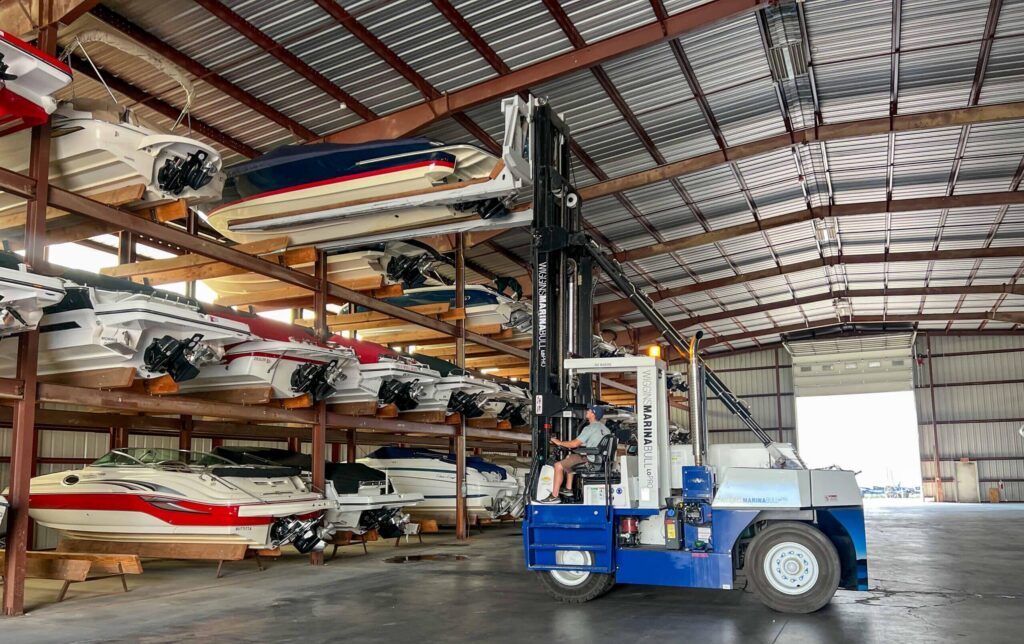
What Does Boat Winterization Include?
Every boat is different, and the winterization process depends on its engine, equipment and onboard systems.
Depending on your boat, winterization may include:
Engine preparation: Draining or protecting components from freezing water.
Fuel system care: Preparing the fuel system for extended storage.
Oil and filter changes: Completing recommended maintenance.
Battery care: Preparing batteries for the off-season.
Plumbing and ballast systems: Draining and protecting applicable tanks, pumps and hoses.
Cleaning and storage preparation: Cleaning, drying and properly covering the boat.
Wake and surf boat owners should pay special attention to ballast systems, which can retain water in tanks, pumps and hoses. Always follow the manufacturer’s recommendations for your specific boat and engine.
Should You Schedule Maintenance at the Same Time?
Fall is also a great opportunity to take care of routine boat maintenance. Before storing your boat, review your engine hours, check for any needed repairs, and see what services are due according to your manufacturer’s maintenance schedule. Addressing these items during the off-season can help make spring boating easier.
Frequently Asked Questions
| What month should I winterize my boat in Wisconsin? | September and October are common times to winterize boats in Wisconsin. However, the right time depends on when your boating season ends and when freezing weather becomes a risk. |
| Can I use my boat after it’s been winterized? | Possibly, but using your boat again may require certain winterization procedures to be repeated before storage. Check with your service provider first. |
| Does indoor storage mean I can skip winterization? | Not necessarily. Unless your boat is stored in a properly temperature-controlled environment, it may still need protection from freezing temperatures. |
| Can I winterize my boat myself? | Some experienced boat owners do, but winterization requirements vary by boat and engine. If you’re unsure about the proper process, professional service can help ensure your boat is prepared correctly. |
Get Your Boat Winter-Ready with Gage Marine
There’s nothing wrong with enjoying one last beautiful fall day on the lake. Just make sure your boat is protected before winter arrives.
At Gage Marine, our experienced Service Team is here to help with winterization, maintenance and indoor storage, so your boat is ready for the next boating season.
Ready to prepare your boat for winter? Contact the Gage Marine Service Team to discuss your winterization needs.


